About Tooth Decay
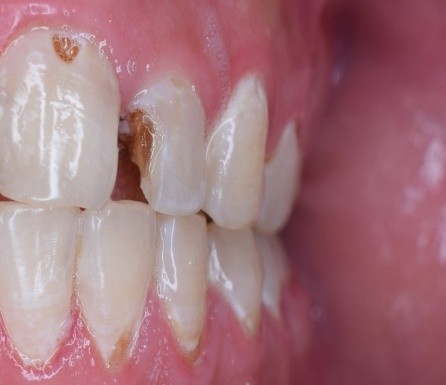
Tooth decay describes the condition wherein, a tooth under a variety of unfavourable conditions, breaks down leading to the formation of a cavity. It starts with a hole, an opening in the enamel. If it is not treated, it progressively reaches the deeper sections of the tooth, thus invading the nerves and blood vessels in the pulp or inner-most part of the tooth. Consequently, pain, sensitivity to a variety of stimuli i.e. hot and cold sensation, inflammation of the gum and ultimately loss of the tooth.
Is it very common?
Tooth decay is very common and may occur at any time or age. However, consumption of sweet and sticky foods and beverages, it tends to affect the young and adolescents more than any other age. There is an increase in the incidence of caries among the older age group due to food getting lodged in between teeth and also due to increased life span
Causes
- Poor Oral Hygiene: Inadequate, irregular and improper brushing, not rinsing with water or mouthwash after meals, speeds up the process of tooth decay.
- Unregulated Diet of Sweet Food and Drinks: periodic snacking aerated drinks, jam, marmalade, even potato chips all lead to the formation of acidic by-products which damage the surface of the tooth enamel. This is the reason why most young children and adolescents suffer from tooth decay.
- Bad or worn out Dental Fillings: Tooth decay might develop again from exposed tooth surfaces.
Symptoms
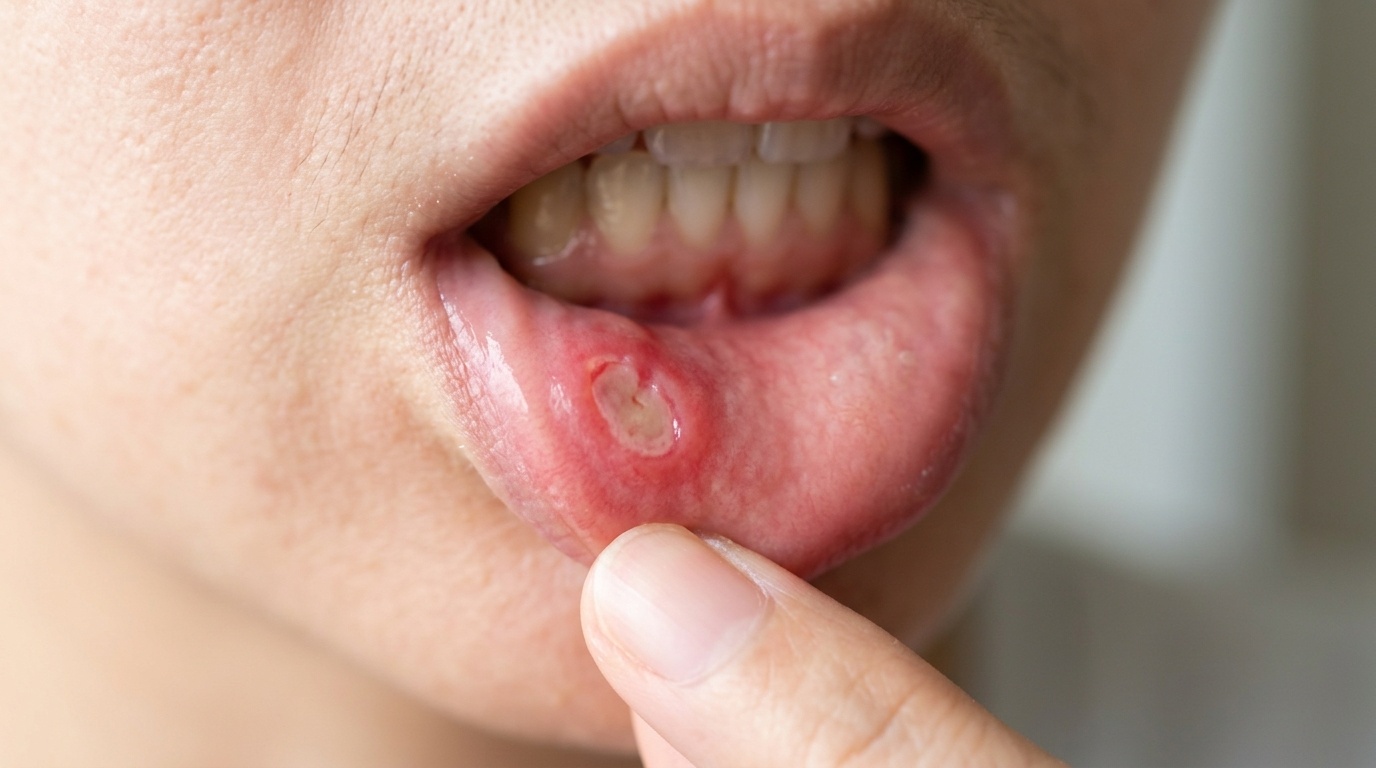
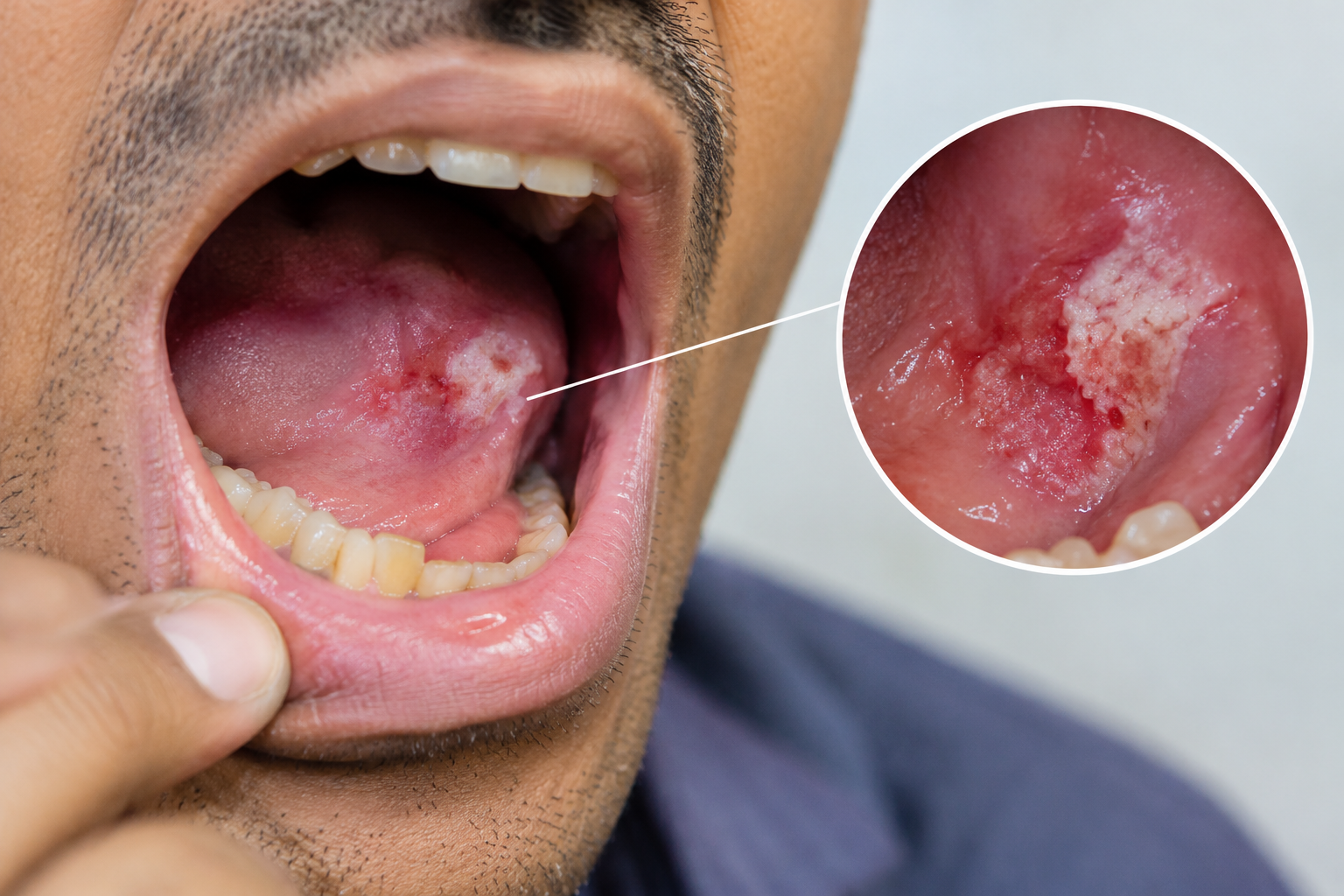
Development of black and brown spots of decay on any surface of a tooth accompanied with discomfort, sensitivity to hot and cold, or frank pain are the likely signs of tooth decay. Under such conditions a dentist must be consulted. The treatment is as follows:
- An opening is made in the crown and the decay is removed. The cavity is shaped and filled with a filling the same colour of the tooth
If the decay is very deep and the pulp is involved in the decaying process, the dentist will go deeper into the pulp chamber under local anaesthesia. The pulp will be removed from the chamber and root canals, render it free from infection, do a root filling and later put an amalgam or a tooth-coloured filling. Subsequently, a crown may be put on the tooth for better preservation and longevity.
Prevention: The following preventive measures are known to reduce the risk of tooth decay: -
Brushing
Brushing after every meal is recommended. However, twice a day is an inescapable necessity i.e. after breakfast and dinner.
Flossing
Floss daily to remove plaque from between teeth.
Rinsing
Rinse your mouth with water thoroughly after each meal. Individuals more prone to tooth decay may use mouthwash which is anti-plaque
Diet
Reducing the frequent intake of sweets during the day, decreases the number of acid attacks by the digestive breakdown of these foods in the mouth. This prevents the further damage of the tooth. A balanced diet that includes all food groups such as fresh fruits, vegetables, bread, cereals as well as other grain products; dairy products such as milk , cheese, and yogurt; meat, poultry and fish provide the essential nutrients required for healthy dental growth.